

Big Internet Seller Services Inc provides e-commerce Services

Get your first Product Photoshoot for FREE! Learn More

May 2026

Amazon Search Query Performance strategy

Search Query Performance: How Amazon Sellers Can Build a Strategy That Actually Converts

Many Amazon sellers try to grow by changing PPC bids, adding coupons, or copying competitor keywords. But those actions do not always solve the real problem. A strong Amazon Search Query Performance strategy helps sellers understand how shoppers move from search to purchase. It shows whether the issue is visibility, clicks, add-to-carts, or final conversion. This makes Amazon growth more data-driven and less reactive. What Does This Mean? Search Query Performance helps sellers study performance by search term. The goal is to understand the ICAP funnel: impressions, clicks, add-to-carts, and purchases. If impressions are low, your product may not be visible enough. If clicks are low, your main image, price, reviews, or offer may not be strong enough. If add-to-carts are low, shoppers may not see enough value on the listing. If purchases are low, pricing, trust, delivery, reviews, or conversion may need work. This is why a full strategy should include SEO, PPC, content, images, pricing, and funnel analysis. Why This Matters for Amazon Sellers Amazon sellers often waste money because they fix the wrong problem. Increasing PPC spend will not help much if the listing image does not attract clicks. Adding more keywords will not help if the product page does not convert. Running a coupon may not work if the product is targeting the wrong search terms. A complete review through Amazon Full Store Management can help sellers understand what is blocking growth before making more changes. What Sellers Should Do First, audit the full account. Review listings, PPC, SEO, images, pricing, inventory, reviews, and conversion rate. Second, review Search Query Performance by keyword and ASIN. Look for where shoppers are dropping off. Third, connect SEO and PPC. Your ads should target keywords that your listing can support. Amazon Advertising PPC Services can help align campaigns with search intent and conversion goals. Fourth, improve listing content and images. Better Amazon Listing Content Optimization and Amazon Listing Image Optimization can help turn more impressions into clicks and purchases. How Big Internet Ecommerce Helps Big Internet Ecommerce helps sellers build Amazon strategies from end to end. Our team reviews Search Query Performance, PPC data, keyword visibility, listing quality, image performance, and conversion gaps. The goal is simple: find where the funnel breaks and fix the right problem first. Quick FAQs What is Search Query Performance on Amazon? Search Query Performance shows how branded products perform across search terms, including impressions, clicks, add-to-carts, and purchases. Why is Search Query Performance important? It helps sellers see where shoppers drop off, so they can fix visibility, click-through, or conversion problems. How can sellers use it with PPC? Sellers can use Search Query Performance to choose better keywords, improve targeting, and avoid wasting ad spend on low-relevance traffic. Need help turning Amazon data into a real growth strategy? Schedule a strategy call with our team. Follow Big Internet Ecommerce (BIE) on Instagram & LinkedIn to stay updated with the latest trends in Amazon selling.

Search Query Performance: How Amazon Sellers Can Build a Strategy That Actually Converts Read More »

Amazon seller promotions

Amazon Promotions Done Right: How Sellers Can Use Deals, Coupons, and Discounts to Grow Profitably

Amazon shoppers often respond quickly to savings. A coupon badge, limited-time deal, or visible discount can help your product stand out and encourage more clicks. But discounts only work when they are planned carefully. Strong Amazon seller promotions should support sales, visibility, inventory movement, and profit. If sellers discount without checking margins, inventory, and PPC spend, they may increase orders while reducing profit. What Are Amazon Seller Promotions? Amazon sellers can offer savings through promotions, deals, coupons, and pricing discounts. Promotions can include percentage-off offers, buy-one-get-one offers, or social media promo codes. Deals include limited-time offers such as Lightning Deals and Best Deals. Coupons let shoppers clip a discount before buying. Pricing discounts can show a reduced price for a set period. Each option has a different role. The right choice depends on your product goal, margin, inventory level, and traffic plan. Why This Matters for Amazon Sellers Promotions can help sellers attract new customers, support product launches, move overstock, and increase visibility during busy shopping seasons. But every discount has a cost. Before launching an offer, sellers should know the final margin after Amazon fees, ad spend, coupon costs, and discount depth. A product with weak profit may not survive an aggressive promotion. This is why sellers should connect promotions with Amazon Full Store Management and a clear account growth plan. What Sellers Should Do First, choose the right product. Focus on SKUs with enough inventory, strong reviews, clear demand, and healthy margins. Second, match the offer to the goal. Use coupons for visibility, deals for urgency, discounts for price positioning, and social promo codes for external traffic. Third, connect promotions with PPC. Amazon Advertising PPC Services can help sellers drive traffic to promoted products while controlling wasted spend. Fourth, improve conversion before discounting. Better Amazon Listing Content Optimization and Amazon Listing Image Optimization can help turn more shoppers into buyers. How Big Internet Ecommerce Helps Big Internet Ecommerce helps Amazon sellers create promotion strategies that protect margin and improve sales performance. Our team reviews SKUs, margins, PPC, inventory, listings, images, and conversion opportunities before recommending deals or coupons. The goal is simple: use promotions to grow profitably, not just sell cheaper. Quick FAQs What are Amazon seller promotions? Amazon seller promotions are savings offers such as percentage-off deals, buy-one-get-one offers, coupons, social promo codes, and pricing discounts. Do Amazon promotions help increase sales? Yes, they can help increase visibility and encourage purchases, but they must be planned around margin, inventory, and conversion. What should sellers check before running a discount? Sellers should check profit margin, inventory levels, PPC budget, product reviews, listing quality, and the true cost of the promotion. Need help planning profitable Amazon promotions? Schedule a strategy call with our team. Follow Big Internet Ecommerce (BIE) on Instagram & LinkedIn to stay updated with the latest trends in Amazon selling.

Amazon Promotions Done Right: How Sellers Can Use Deals, Coupons, and Discounts to Grow Profitably Read More »

Customer Service by Amazon

Amazon Customer Service Upgrades: How Sellers Can Save Time and Reduce Refund Pressure

Customer service can take time away from growing an Amazon business. For self-fulfilled sellers, every buyer message, delivery issue, refund request, and SAFE-T claim needs attention. If these issues are not managed well, they can affect revenue, customer experience, and account performance. Amazon’s latest Customer Service by Amazon updates are designed to reduce this workload and help sellers manage buyer support more easily. What Is Customer Service by Amazon? Customer Service by Amazon is a program where Amazon handles customer inquiries for seller-fulfilled orders. Amazon answers buyers through phone, chat, or email, so sellers do not have to manage every message themselves. The new updates focus on fewer return-less refunds, less manual SAFE-T claim work, easier free-program access, and better issue tracking. For sellers using Amazon Full Store Management, this matters because customer service performance is connected to operations, listings, fulfillment, and profitability. Why This Matters for Amazon Sellers Return-less refunds can hurt margins because the buyer may receive a refund without sending the product back. Amazon says it has updated the process so return-less refunds are used in more specific cases, such as delivery failure, non-returnable damaged products, or unsafe returns. The update also helps with certain SAFE-T claims. If sellers use claims-protected labels through Amazon Buy Shipping or Veeqo, Amazon may automatically cover eligible delivery-related claims. Goodwill refunds issued by Amazon may also be automatically reimbursed. This can save time and reduce manual claim follow-up. What Sellers Should Do First, review your self-fulfilled orders and refund history. If return-less refunds or SAFE-T claims have been a problem, this update may reduce some pressure. Second, check whether Amazon Buy Shipping or Veeqo fits your fulfillment process. Third, monitor contacts-per-unit. Amazon says the program is free for the first 90 days and can remain free if contacts-per-unit stays below 3%. Low-volume sellers with fewer than 30 orders per quarter may also qualify for free access. Fourth, use customer issue data to improve listings. If buyers keep asking the same questions, your Amazon Listing Content Optimization or Amazon Listing Image Optimization may need improvement. How Big Internet Ecommerce Helps Big Internet Ecommerce helps Amazon sellers reduce friction across listings, customer experience, and account operations. If buyers are confused, refunding often, or asking repeated questions, the issue may not only be customer service. It may be weak content, unclear images, poor product positioning, or fulfillment gaps. Our team helps sellers improve product pages, optimize Amazon content, strengthen images, review account performance, and build a better customer experience. Quick FAQs What is Customer Service by Amazon? Customer Service by Amazon is a program where Amazon handles customer support for seller-fulfilled orders. How can this update reduce refund pressure? Amazon has tightened when return-less refunds should apply and may automatically reimburse some eligible claim situations. Why should sellers monitor contacts-per-unit? Contacts-per-unit helps sellers understand how often buyers need support. A high rate may show problems with listings, fulfillment, or product expectations. Need help reducing customer confusion, refunds, and account friction? Schedule a strategy call with our team. Follow Big Internet Ecommerce (BIE) on Instagram & LinkedIn to stay updated with the latest trends in Amazon selling.

Amazon Customer Service Upgrades: How Sellers Can Save Time and Reduce Refund Pressure Read More »

Prime Day 2026 Amazon seller preparation

Prime Day 2026 Prep: How Amazon Sellers Can Turn High Traffic Into Real Sales

Prime Day can bring a major traffic spike to Amazon, but traffic alone does not guarantee sales. For sellers, the real opportunity is not just being present during Prime Day. It is being ready before shoppers arrive. Strong Prime Day 2026 Amazon seller preparation means having the right products, inventory, offers, ads, and listings in place. Without that, sellers may spend more on clicks without getting the sales they expected. What Does This Mean? Prime Day shoppers move fast. They compare price, reviews, images, coupons, delivery speed, and product content within seconds. If your listing does not clearly explain the product and offer, shoppers may choose a competitor. That is why Prime Day preparation should include more than discounts. Sellers need a full readiness plan covering inventory, coupons, PPC budgets, bids, storefront updates, A+ Content, and listing conversion. A structured review through Amazon Full Store Management can help sellers understand what needs to be fixed before peak traffic. Why This Matters for Amazon Sellers Prime Day can help sellers attract new customers, increase visibility, and move selected inventory. But poor preparation can create problems. Low inventory can cause stockouts. Weak listings can waste traffic. Small PPC budgets can stop campaigns too early. Poor margins can turn high sales into low profit. Sellers should prepare their Amazon Advertising PPC Services strategy before the event so campaigns stay active, bids remain competitive, and budget is focused on products most likely to convert. What Amazon Sellers Should Do First, choose the right SKUs. Focus on products with enough inventory, strong reviews, good margins, and proven demand. Second, set up coupons, deals, or Prime-exclusive discounts early. A clear offer helps shoppers understand the value faster. Third, review PPC budgets and bids. Prime Day traffic can use budget quickly, so sellers should prepare campaign budgets, bidding limits, and product priorities in advance. Fourth, improve listing content before the event. Better Amazon Listing Content Optimization helps shoppers understand the product quickly. Fifth, upgrade images and A+ Content. Strong Amazon Listing Image Optimization and A+ Content can improve trust and help shoppers make faster buying decisions. How Big Internet Ecommerce Helps Big Internet Ecommerce helps Amazon sellers prepare for Prime Day with a complete growth plan. Our team can review your catalog, identify the best products for promotion, optimize PPC campaigns, improve listing content, upgrade images, and prepare your storefront for higher traffic. The goal is simple: help sellers turn Prime Day traffic into profitable sales. Quick FAQs What should Amazon sellers prepare before Prime Day? Sellers should prepare inventory, coupons, deals, PPC budgets, bids, listings, images, A+ Content, and storefront updates. Why is PPC important for Prime Day? PPC helps sellers stay visible during high-traffic periods, but budgets and bids must be planned carefully to avoid wasted spend. How can sellers improve Prime Day conversion? Sellers can improve conversion by using clear offers, strong images, optimized content, competitive pricing, and enough inventory. Need help preparing your Amazon store for Prime Day? Schedule a strategy call with our team. Follow Big Internet Ecommerce (BIE) on Instagram & LinkedIn to stay updated with the latest trends in Amazon selling.

Prime Day 2026 Prep: How Amazon Sellers Can Turn High Traffic Into Real Sales Read More »

Amazon Associates commission cuts

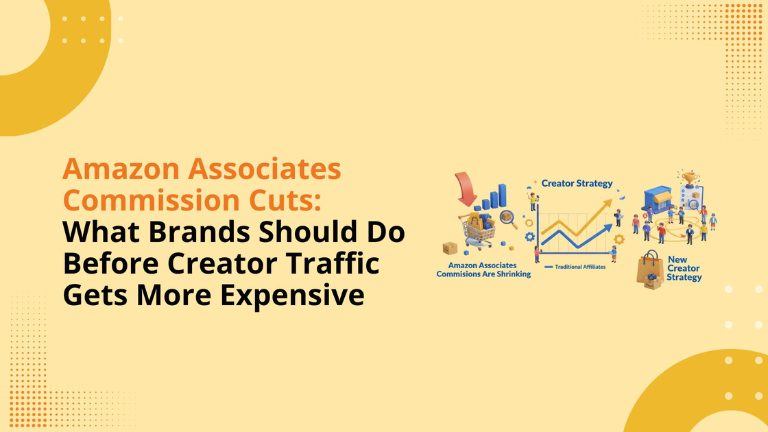
Amazon Associates Commission Cuts: What Brands Should Do Before Creator Traffic Gets More Expensive

The Amazon Associates commission cuts are a warning sign for brands that rely on creators, publishers, and shopping content to drive Amazon sales. Reports show that Amazon has reduced affiliate commissions by up to 50% in some categories, while Amazon’s April 14 operating-agreement update narrowed onsite commission scope to the promoted ASIN or its variants. For Amazon sellers, this is not just about creators earning less. It may affect how much external traffic your products receive. If creators make less from Amazon links, they may promote other marketplaces, ask brands for flat fees, or move traffic toward DTC stores. What Does This Mean? Amazon affiliate traffic may become more expensive for brands. Creators who once relied on Associates commissions may now need direct brand payments to make Amazon promotions worth their time. Publishers may also reduce Amazon shopping content if commissions and reporting visibility become less attractive. This means sellers should not assume that creator traffic will keep coming for free. A stronger plan should include creator fees, SKU-level margin checks, Brand Referral Bonus tracking, and better listing conversion. Why This Matters for Amazon Sellers External traffic can help Amazon sellers reach new shoppers, support launches, and improve product visibility. But if traffic costs rise, brands need tighter control over profitability. Before spending more on creators or paid media, sellers should review margins, inventory, conversion rate, and ASIN readiness. A full review through Amazon Full Store Management can help identify which products are ready for growth and which need improvement first. What Amazon Brands Should Do First, map your top external-traffic ASINs. Find the products that depend on creators, review sites, blogs, and social traffic. These are the ASINs most exposed to affiliate changes. Second, review SKU-level margin. If you need to pay creators directly, each ASIN must have enough margin to support the cost. Third, update creator deals. Shift from pure commission-based thinking to flat-fee, hybrid, or performance-based partnerships. Fourth, connect creator traffic with PPC. Amazon Advertising PPC Services can help ensure off-Amazon traffic and on-Amazon campaigns work together instead of competing for budget. Fifth, improve conversion before sending traffic. Stronger Amazon Listing Content Optimization can help turn more visitors into buyers. How Big Internet Ecommerce Helps Big Internet Ecommerce helps Amazon sellers adjust to marketplace changes with a clear, data-backed growth plan. We help brands review ASIN profitability, creator traffic readiness, PPC efficiency, listing conversion, and SKU-level growth opportunities. The goal is simple: make sure your external traffic does not turn into wasted spend. Quick FAQs What are Amazon Associates commission cuts? Amazon Associates commission cuts refer to reduced affiliate rates paid to creators and publishers for driving sales through Amazon affiliate links. Why do these cuts matter for Amazon brands? If creators earn less from Amazon links, they may promote fewer Amazon products or ask brands for direct payment. What should sellers do now? Sellers should review external-traffic ASINs, check margins, update creator deals, improve listings, and align PPC with creator campaigns.   Need help rebuilding your Amazon creator and traffic strategy? Schedule a strategy call with our team. Follow Big Internet Ecommerce (BIE) on Instagram & LinkedIn to stay updated with the latest trends in Amazon selling.

Amazon Associates Commission Cuts: What Brands Should Do Before Creator Traffic Gets More Expensive Read More »

Amazon inventory cash flow

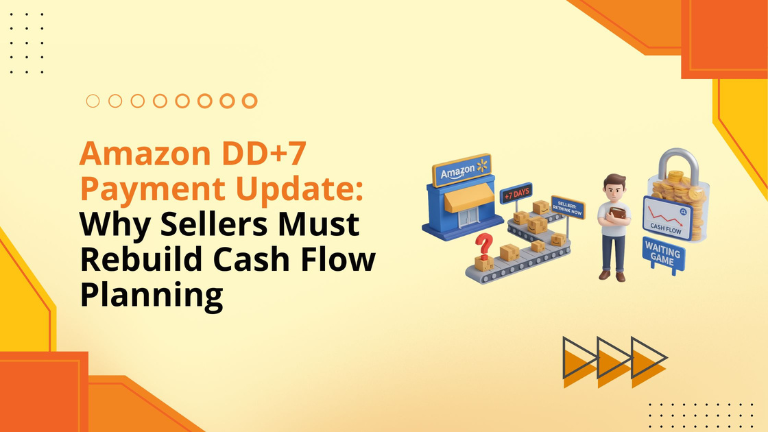
Amazon DD+7 Payment Update: Why Sellers Must Rebuild Cash Flow Planning

The Amazon DD+7 payment policy is changing how sellers manage cash. Under this structure, funds are tied to delivery timing. Amazon states that funds are reserved until a shipment is delivered, plus a standard reserve period of seven days after the delivery date.  For sellers, this means revenue may show in reports before the cash is actually ready to use. That delay can affect inventory reorders, supplier payments, payroll, PPC budgets, and day-to-day operations. A seller may be making sales but still feel short on available funds. What Does DD+7 Mean? DD+7 means “Delivery Date plus 7 days.” In simple terms, Amazon may hold the payment until seven days after the customer receives the order. Some sellers are also reporting cases where certain payments move beyond the standard timeline, including DD+22 or DD+24 situations discussed in Seller Central forums. Not every seller will face extended holds, but every affected seller should plan for a longer cash cycle. This is not just a payment issue. It is a business planning issue. Why This Matters for Amazon Sellers Amazon sellers often use payouts to fund the next business move. That may include new inventory, supplier balances, PPC campaigns, freight, storage, or listing improvements. When payouts take longer, sellers need better control over spending. This is where Amazon Full Store Management becomes important. Sellers need to connect sales, inventory, PPC, and cash flow instead of managing each area separately. If PPC continues aggressively while cash is delayed, the business may create pressure faster than it creates usable funds. That is why Amazon Advertising PPC Services should be aligned with inventory coverage and payout timing. What Amazon Sellers Should Do First, track payout timing closely. Look at delivery dates, deferred balances, available balances, and expected release dates. Second, prioritize inventory funding. Bestselling SKUs should get cash priority before slow-moving products. Third, control PPC spend. Do not scale ads without checking margins, inventory coverage, and available cash. Fourth, improve conversion. If traffic is expensive, your listing must convert better. Stronger Amazon Content Optimization and Amazon Images Optimization can help sellers get more value from existing traffic. Finally, build a cash buffer. Sellers should plan for a longer gap between sales and actual payout. How Big Internet Ecommerce Helps Big Internet Ecommerce helps Amazon sellers navigate the new DD+7 payment cycle by connecting cash flow, inventory, PPC, and listing optimization into a cohesive growth plan. Our team helps sellers: Track and manage payouts: Monitor DD+7 timing and extended holds to avoid surprises. Prioritize inventory funding: Ensure bestsellers are supported even when funds are delayed. Align PPC and cash: Optimize ad spend to match available inventory and payout schedules. Improve listings and images: Boost conversion so each sale makes maximum impact. Plan for cash gaps: Build buffers to cover operational costs and supplier payments. By integrating operational insight with financial planning, Big Internet Ecommerce helps sellers protect cash, reduce pressure, and scale more reliably. Quick FAQs What is the Amazon DD+7 payment policy? The Amazon DD+7 payment policy means funds are generally held until seven days after the customer delivery date. Why does DD+7 create cash pressure? Because sellers may need to pay for inventory, ads, freight, and suppliers before Amazon funds are available. How can sellers reduce DD+7 pressure? Sellers can track payout timing, prioritize winning SKUs, control PPC spend, improve conversion, and build a cash buffer. Need help adjusting your Amazon growth plan around DD+7? Schedule a strategy call with our team. Follow Big Internet Ecommerce (BIE) on Instagram & LinkedIn to stay updated with the latest trends in Amazon selling.

Amazon DD+7 Payment Update: Why Sellers Must Rebuild Cash Flow Planning Read More »

Amazon inventory cash flow

Why Amazon Sellers Feel “Successful but Broke”

Many Amazon sellers believe growing sales means the business is healthy. But revenue does not always mean strong cash flow. A seller may have steady orders, active PPC campaigns, and positive reports, but still struggle when it is time to reorder inventory, pay suppliers, or increase ad spend. This usually happens when too much cash is stuck in inventory. Inventory is not just stock. It is a working capital. If that money sits in slow-moving SKUs or overstocked products, the business can feel “successful but broken.” A full account review through Amazon Full Store Management can help sellers understand where growth is being blocked. What Is Amazon Inventory Cash Flow? Amazon inventory cash flow means how quickly money invested in inventory comes back as usable cash after products are produced, shipped, sold, and paid out. If products sell quickly and profitably, cash returns faster. If they sit too long, cash stays stuck. That is why Amazon sellers need to manage inventory based on real demand, not guesswork. Why This Matters Poor inventory planning can create serious growth problems. Overstocked products tie up cash. Slow-moving SKUs increase storage pressure. Bestselling products may run out because cash is stuck elsewhere. PPC can also make the problem worse if ads are pushing low-converting products or products without enough inventory. This is why Amazon Advertising PPC Services should be connected with inventory coverage, margin, and sales potential. The goal is not simply to buy more inventory. The goal is to buy the right inventory at the right time. What Amazon Sellers Should Do First, review every SKU separately. Identify your winners, watchlist products, and SKUs where cash is stuck. Winners have strong sales, good margins, and steady demand. Watchlist products need closer monitoring. Slow-moving SKUs may need a promotion, listing improvement, or reorder pause. Second, check why sales increased before reordering. A spike may come from a coupon, seasonal demand, promotion, competitor stockout, or higher PPC spend. Temporary demand should not always lead to a larger purchase order. Third, connect inventory with listing performance. If a product has stock but low conversion, the issue may be weak content, poor images, unclear positioning, or wrong keywords. Improving Amazon Content Optimization and Amazon Images Optimization can help products convert better and move inventory faster. Finally, create SKU-level reorder rules based on sales velocity, lead time, margin, inventory coverage, and available cash. How Big Internet Ecommerce Helps Big Internet Ecommerce helps Amazon sellers improve growth by connecting PPC, inventory planning, listing optimization, and conversion strategy. Our team helps sellers audit their Amazon account, improve product pages, optimize campaigns, and create a clearer plan to scale profitably. Quick FAQs What is Amazon inventory cash flow? Amazon inventory cash flow is how quickly money invested in inventory comes back as usable cash after products are produced, shipped, sold, and paid out. Why do Amazon sellers feel cash pressure despite strong sales? Because cash may be stuck in overstocked, slow-moving, or poorly planned SKUs. How can PPC affect inventory cash flow? PPC can improve inventory movement when it supports the right SKUs, but it can waste cash if ads are pushing low-converting or poorly stocked products. Is your Amazon business growing but cash still feels tight? Schedule a strategy call with our team. Follow Big Internet Ecommerce (BIE) on Instagram & LinkedIn to stay updated with the latest trends in Amazon selling.

Why Amazon Sellers Feel “Successful but Broke” Read More »

Amazon FBM sellers

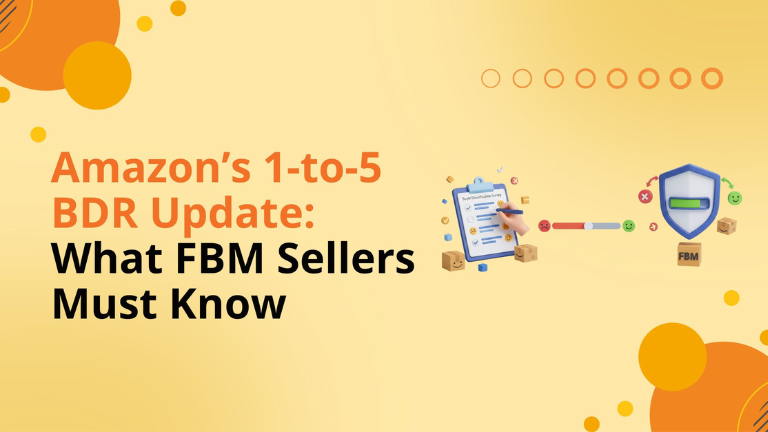
Amazon’s 1-to-5 BDR Update: What FBM Sellers Must Know

Amazon has quietly replaced the legacy Yes/No buyer satisfaction survey with a 1-to-5 scale, directly affecting FBM (Fulfilled by Merchant) sellers who handle their own customer service. This new methodology changes the calculation for Buyer Dissatisfaction Rate (BDR) — and can create sudden shifts in account health metrics even if your service hasn’t changed. What Changed Old Method: Binary Yes/No survey; “not satisfied” responses fed into BDR. New Method: 1-to-5 scale; mid-range scores (2-3) now contribute to BDR calculations. Impact: FBM sellers may see BDR fluctuations unrelated to actual service quality. FBA Orders: Amazon manages customer service; FBA BDR is unaffected. Why This Matters Sellers near BDR thresholds may see apparent increases in dissatisfaction. Misinterpreting early readings can lead to unnecessary staffing or service changes. Hybrid sellers should track FBM-only BDR, not the combined account. Recommended Seller Actions Split Account Monitoring: Track FBM BDR separately with a 30-day rolling window. Audit Customer Responses: Evaluate recent FBM contacts and determine if they would earn a 4-5 rating under the new scale. Tie BDR to Operational Costs: Understand the trade-off between additional CX spend and potential penalties. How Big Internet Ecommerce Can Help Monitor FBA vs. FBM BDR trends in real-time. Track contribution margin, fees, refunds, and ad costs for better decision-making. Optimize customer service and staffing without over-investing. Use actionable dashboards to prevent BDR surprises and maintain account health. Stay ahead of Amazon’s 1-to-5 BDR change and ensure your FBM strategy is optimized. Schedule a strategy call with our team. Follow Big Internet Ecommerce (BIE) on Instagram & LinkedIn to stay updated with the latest trends in Amazon selling.

Amazon’s 1-to-5 BDR Update: What FBM Sellers Must Know Read More »

AI for Amazon Sellers

AI and the Creator Economy: Transforming Amazon Brand Marketing

The focus was clear: AI and creator-led marketing are no longer optional — they’re essential for Amazon sellers. Brands combining AI-driven insights with creator partnerships see measurable increases in reach, engagement, and sales velocity. For Amazon sellers, this is particularly powerful because it allows you to: Optimize listings and ads using AI analytics Boost customer trust through creator endorsements Scale campaigns efficiently without losing personalization AI-Powered Insights for Sellers AI tools provide Amazon sellers with actionable intelligence: Listing Optimization: AI generates content tailored to high-converting keywords and customer intent. Ad Campaign Efficiency: Automated recommendations optimize bidding and targeting for maximum ROI. Data-Driven Decisions: AI identifies top-performing products, best times to advertise, and pricing opportunities. This removes much of the guesswork from selling on Amazon, letting sellers focus on growth while maintaining operational efficiency. The Power of the Creator Economy Creators influence purchasing decisions by providing authentic, trusted content. For Amazon sellers: 75% of consumers trust creators over traditional ads, driving higher CTR and conversion rates. Influencer campaigns amplify reach and create credibility for new or existing products. Creator-generated content can improve A+ content, video reviews, and product tutorials, boosting customer confidence and sales. Combining AI and Creators on Amazon Sellers who integrate AI insights with creator-led campaigns gain the strongest results: Identify High-Impact Products: AI highlights SKUs with potential for higher conversion. Select the Right Creators: Partner with influencers who resonate with your target audience. Optimize Content for Conversions: AI ensures the content is tailored to what converts best. Maximize Repeat Purchases: Combine subscription insights with creator content to strengthen loyalty. Brands that implement this combined strategy can capture more customers, improve ROI, and build long-term brand trust. How Big Internet Ecommerce Supports Amazon Sellers We help sellers implement AI + creator strategies effectively: Content Optimization: AI-powered listing and ad content tailored for maximum conversions. Creator Strategy: Identify, manage, and optimize creator campaigns for measurable sales. Analytics & Reporting: Real-time insights into AI and creator-driven campaign performance. Retention & Reorders: Use AI insights to predict repeat purchases and strengthen subscription programs. By combining technology with authentic human influence, sellers can scale efficiently without losing personalization. AI and creator-led marketing are reshaping how Amazon sellers connect with shoppers. Sellers who adopt these strategies early gain a competitive advantage by: Increasing conversion rates Improving repeat purchase behavior Building lasting trust with customers The integration of AI and creator strategies is no longer a luxury — it’s a necessity for sellers aiming to dominate their category in 2026. Position your brand for success in the AI + creator economy. Schedule a strategy call with our team. Follow Big Internet Ecommerce (BIE) on Instagram & LinkedIn to stay updated with the latest trends in Amazon selling.

AI and the Creator Economy: Transforming Amazon Brand Marketing Read More »

Scroll to Top