

Big Internet Seller Services Inc provides e-commerce Services

Get your first Product Photoshoot for FREE! Learn More

Amazon PPC

Amazon AI infrastructure impact sellers

Meta and AWS AI Expansion: What It Means for Amazon Sellers in 2026

The ecommerce landscape is changing rapidly. Behind the scenes, major companies like Meta and Amazon are investing heavily in AI infrastructure. The latest Meta + AWS partnership highlights this shift. What Happened? Meta is deploying: Tens of millions of AWS Graviton cores To power agentic AI workloads These systems handle: Reasoning Automation Large-scale decision making Why This Matters  1. AI Is Becoming the Core System Amazon is moving toward AI-driven commerce. 2. Sellers Are Funding This Shift Through: Ad costs FBA fees Platform charges 3. Listings Must Be AI-Readable Structured content is critical. 4. Buying Behavior Is Changing AI influences: Discovery Selection Purchase How Sellers Should Adapt  1. Optimize for AI, Not Just Keywords Clear, structured listings. 2. Focus on Profit, Not Just Revenue Track real margins. 3. Adjust PPC Strategy Move beyond last-click attribution. 4. Improve Data Quality Better inputs → better AI outputs 5. Diversify Channels Reduce Amazon dependency. How Big Internet Ecommerce Helps We help sellers: Optimize for AI-driven systems Improve profitability Adjust PPC strategy Build multi-channel growth Scale sustainably Amazon is evolving. From marketplace → AI platform Sellers who adapt: Stay competitive Protect margins Scale faster Want to future-proof your Amazon business? Schedule a strategy call with our team. Follow Big Internet Ecommerce (BIE) on Instagram & LinkedIn to stay updated with the latest trends in Amazon selling.

Meta and AWS AI Expansion: What It Means for Amazon Sellers in 2026 Read More »
Amazon ASIN deactivation policy 2026

Amazon ASIN Crackdown 2026: How Sellers Can Avoid 30-Day Listing Deactivation

Amazon has begun enforcing its ASIN Creation Policy at a scale never seen before. Sellers across categories are receiving 30-day deactivation notices. This marks a major shift from passive enforcement to active catalog policing. What Is the ASIN Crackdown? Amazon is targeting: Brand-Generic misuse Duplicate ASINs Variation abuse Why This Matters  1. Immediate Revenue Risk Deactivated listings lose: Buy Box Ranking Visibility 2. Catalog Integrity Is Now Critical Amazon evaluates your full catalog structure. 3. Old Tactics No Longer Work Shortcuts are now risks. 4. Short Timeline to Fix Issues 30 days is a strict window. How to Fix It  1. Audit All ASINs Identify high-risk listings. 2. Merge Duplicate Listings Protect review history. 3. Fix Variation Structures Ensure true product relationships. 4. Align Brand Ownership Use Brand Registry. 5. Prioritize High-Revenue SKUs Protect key products first. How Big Internet Ecommerce Helps We help sellers: Audit entire catalogs Fix listing structure Protect rankings Improve compliance Scale safely This crackdown is not temporary. It’s a permanent shift. Sellers who adapt: Keep their rankings Protect revenue Scale stronger Want to secure your listings before they get flagged? Schedule a strategy call with our team. Follow Big Internet Ecommerce (BIE) on Instagram & LinkedIn to stay updated with the latest trends in Amazon selling.

Amazon ASIN Crackdown 2026: How Sellers Can Avoid 30-Day Listing Deactivation Read More »

Amazon Rufus Scheduled Actions seller strategy

Amazon’s Agentic AI Rufus and Scheduled Actions: The Shift That Will Reshape Your Strategy

Amazon introduced Scheduled Actions for Rufus, its AI shopping assistant. This update is a game-changer for how sellers plan their pricing, PPC, and inventory strategy. Rufus is no longer simply an assistant — it’s now autonomously driving purchases on behalf of households. What Are Scheduled Actions? Rufus can now: Automatically schedule recurring buys (household reorders, gifts) Trigger purchases when a price trigger is met Buy outside Amazon using the Shop Direct and Buy For Me features Why This Matters for Sellers  1. Shift from Manual Purchases Customers no longer control purchases. Rufus does. This reduces your control over recurring purchases and customer reorders. 2. PPC Attribution Gets Harder Rufus may place orders weeks after an ad click, making last-click attribution misleading. Sellers need to lengthen attribution windows for accurate PPC reporting. 3. New Predictable Demand Signals Rufus-driven purchases are scheduled — this creates a predictable reorder cadence for your most popular products. 4. Pricing Strategy Adjustments With auto-triggered purchases, you need to rethink pricing dynamics for: Household consumables Pet care Beauty products How to Adapt Your Strategy  1. Identify Agent-Eligible SKUs Track products that are likely to be Rufus default picks, like consumables and replenishables. 2. Lengthen PPC Attribution Windows Attribution windows should now be 30 days or more to account for delayed purchases. 3. Adjust Inventory Targets Track scheduled demand and adjust FBA restock models accordingly. 4. Rework Pricing and Discounts Align pricing with Rufus-triggered demand without jeopardizing profitability. 5. Monitor Reviews & Q&A Rufus picks products based on reviews. Ensure your top products have updated reviews and answered questions. How Big Internet Ecommerce Helps We help sellers: Track repeat purchase patterns Lengthen attribution windows Optimize inventory flow Adjust pricing strategies Protect your product’s visibility Rufus has shifted from being an assistant to an autonomous agent, reshaping how products get purchased and how sellers need to operate. Adapt quickly to predictable demand, new pricing, and redefined attribution windows. Want to optimize your strategy for Rufus and the future of Amazon? Schedule a strategy call with our team. Follow Big Internet Ecommerce (BIE) on Instagram & LinkedIn to stay updated with the latest trends in Amazon selling.

Amazon’s Agentic AI Rufus and Scheduled Actions: The Shift That Will Reshape Your Strategy Read More »

Amazon price fixing lawsuit pricing strategy

Amazon Price Fixing Lawsuit: How This Affects Your Pricing Strategy and Compliance

Amazon is facing a serious lawsuit that could change how sellers manage pricing. The lawsuit accuses Amazon of price-fixing by pressuring vendors to adjust prices based on competitor listings, including platforms like Walmart and Target. For sellers, this means: Pricing will come under much closer scrutiny Compliance will be critical to avoid penalties Let’s break down what this means for you as an Amazon seller. What is the Amazon Price Fixing Lawsuit? Filed by California regulators in 2022, the lawsuit claims that Amazon: Coordinated pricing between vendors and competing platforms Used vendor relationships to enforce pricing expectations Penalized sellers for not adhering to pricing controls Key Allegations: Vendors were pressured to raise prices to meet Amazon’s expectations Pricing adjustments were often made in response to competitor prices (e.g., Walmart, Target) Why This Matters for Sellers  1. Increased Compliance Risk With stricter rules on pricing, non-compliance could result in: Penalties Visibility issues Restricted product availability 2. Tightened Control on Vendor Relations Vendors could face increased pressure from Amazon to meet pricing demands, creating instability for sellers. 3. Loss of Pricing Flexibility Previously, sellers had more freedom to adjust pricing. Now, non-compliance could directly affect sales performance. How to Adapt  1. Prioritize Pricing Compliance Move your focus to: Ensuring clean pricing history Aligning with Amazon’s expectations 2. Track Pricing Competitiveness Use tools to: Monitor competitor prices Track Amazon pricing trends 3. Align Vendor Communications Ensure you’re aligned with vendor expectations and Amazon’s guidelines. 4. Protect Profit Margins Maintain stable pricing without risking penalties. How Big Internet Ecommerce Helps We help sellers navigate: Pricing compliance Vendor strategy alignment Visibility protection The Amazon price-fixing lawsuit is a wake-up call for sellers. Price compliance isn’t optional anymore. But by adapting early, you’ll stay ahead of the curve. If you need help adjusting your pricing strategy and staying compliant. Schedule a strategy call with our team. Follow Big Internet Ecommerce (BIE) on Instagram & LinkedIn to stay updated with the latest trends in Amazon selling.

Amazon Price Fixing Lawsuit: How This Affects Your Pricing Strategy and Compliance Read More »

Walmart marketplace Amazon sellers strategy

Walmart Ecommerce Hits $150B: Why Amazon Sellers Must Go Multi-Channel in 2026

The ecommerce landscape is changing. For years, Amazon dominated the conversation. But now Walmart has crossed $150 billion in ecommerce GMV. This milestone signals a major shift in marketplace dynamics. What’s Driving Walmart’s Growth? 1. Marketplace Expansion 200,000+ sellers and growing. 2. Fulfillment Improvements (WFS) Closing the gap with Amazon. 3. Advertising Growth Walmart Connect gaining traction. 4. Integration Ecosystem Shopify + TikTok connections.  Why This Matters for Amazon Sellers  1. Reduces Platform Risk Diversification protects revenue. 2. Unlocks New Customers Different audience base. 3. Improves Profitability Lower CPC in many categories. 4. Scales Existing Catalog No need for new SKUs. How to Start on Walmart  1. Select the Right SKUs Start with: Mid-priced Replenishable products 2. Optimize Listings for Walmart Different algorithm vs Amazon. 3. Set Up Inventory Systems Avoid stock conflicts. 4. Run Walmart Ads Capture early demand. 5. Track Performance Across Channels Compare ROI and margins. How Big Internet Ecommerce Helps We help sellers: Launch on Walmart Optimize Listings Manage Cross-Channel Inventory Align PPC Strategy Scale Multi-Channel Growth Walmart is no longer a backup plan. It’s a growth channel. The future is: Amazon + Walmart Multi-channel strategy Diversified revenue Want to expand beyond Amazon and scale faster? Schedule a strategy call with our team. Follow Big Internet Ecommerce (BIE) on Instagram & LinkedIn to stay updated with the latest trends in Amazon selling.

Walmart Ecommerce Hits $150B: Why Amazon Sellers Must Go Multi-Channel in 2026 Read More »

eBay Issue Resolution Center sellers

eBay Issue Resolution Center 2026: What Amazon Sellers Can Learn About Compliance and Growth

Marketplace operations are evolving fast. Platforms like Amazon and eBay are moving toward: Centralized systems Automated compliance Structured workflows eBay’s launch of the Issue Resolution Center is a major step in this direction. What is eBay Issue Resolution Center? The Issue Resolution Center is: A centralized compliance dashboard A prioritized issue tracking system A guided resolution workflow It consolidates: Listing defects Account violations Appeals Category alerts Why This Matters  1. Compliance Impacts Visibility Unresolved issues reduce: Search visibility Impressions 2. Centralization Improves Efficiency One system → faster resolution 3. Reduced Operational Complexity No need to track multiple dashboards. 4. Better Decision-Making Prioritized issues = better focus What Amazon Sellers Can Learn 1. Treat Compliance as Revenue Driver Not just a backend task. 2. Build Daily Monitoring Systems Consistency beats reaction. 3. Track Issue Severity Focus on high-impact issues first. 4. Align Teams Properly Assign clear ownership. How Big Internet Ecommerce Helps We help sellers: Build Compliance Systems Protect Listing Visibility Improve Operational Efficiency Align Multi-Channel Strategy Scale with Structure The future of ecommerce is not: just marketing It’s: Systems Structure Execution Want to build a system-driven ecommerce operation? Schedule a strategy call with our team. Follow Big Internet Ecommerce (BIE) on Instagram & LinkedIn to stay updated with the latest trends in Amazon selling.

eBay Issue Resolution Center 2026: What Amazon Sellers Can Learn About Compliance and Growth Read More »

Amazon Prime Day 2026 deadlines strategy

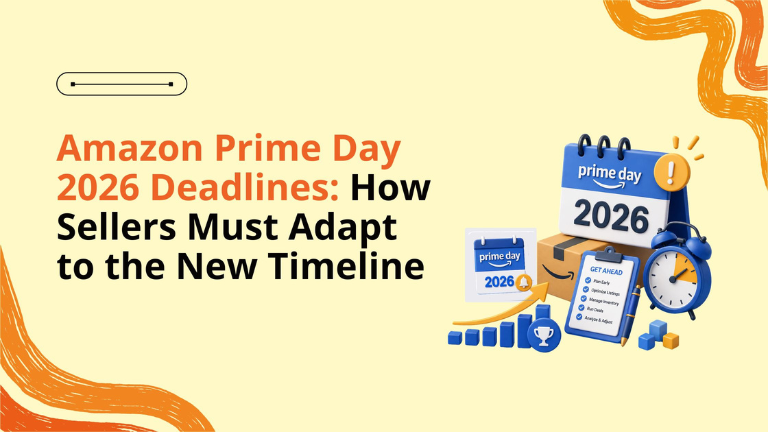
Amazon Prime Day 2026 Deadlines: How Sellers Must Adapt to the New Timeline

Amazon Prime Day is one of the most important events for sellers. But in 2026: The timeline has shifted earlier Preparation windows are shorter Execution speed is critical This forces sellers to rethink their entire strategy. What Changed in Prime Day 2026? Event moved to late June Deal deadlines moved earlier Inventory cutoffs tightened Key Dates: April 30: Early deal incentives May 26: Final deal submission May 27–June 5: Inventory arrival Why This Matters  1. Inventory Planning Becomes Critical Missing deadlines = no Prime visibility 2. PPC Timing Shift Earlier ramp needed to: Build ranking Reduce CPC impact 3. Pricing Strategy Tightens Need consistent pricing before event. 4. Competition Increases More sellers competing for less time. How to Adapt  1. Plan Inventory Early Ship earlier than usual. 2. Start PPC Early Pre-rank keywords before peak. 3. Structure Deals Strategically Don’t rely only on discounts. 4. Optimize Listings for Conversion Traffic is useless without conversion. 5. Monitor Performance Daily Adjust in real time. How Big Internet Ecommerce Helps We help sellers: Plan Prime Day Strategy Optimize Inventory Flow Execute PPC Campaigns Structure Deals Effectively Maximize Event ROI Prime Day 2026 is no longer about: last-minute preparation. It’s about: Early planning Fast execution Structured strategy Want to maximize your Prime Day performance? Schedule a strategy call with our team. Follow Big Internet Ecommerce (BIE) on Instagram & LinkedIn to stay updated with the latest trends in Amazon selling.

Amazon Prime Day 2026 Deadlines: How Sellers Must Adapt to the New Timeline Read More »

Amazon ad payment policy 2026

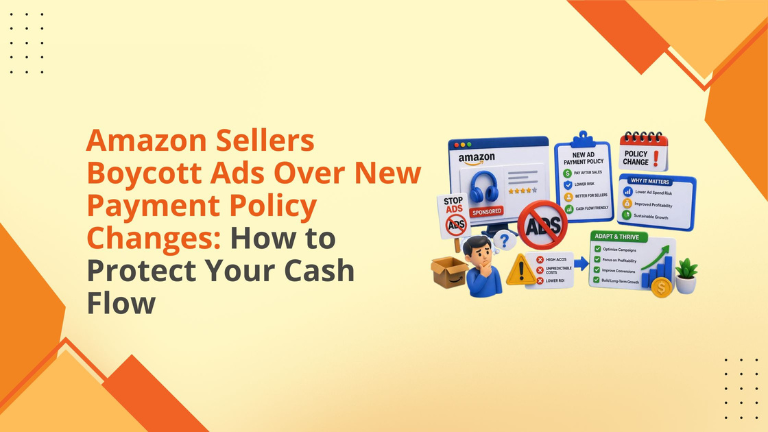
Amazon Sellers Boycott Ads Over New Payment Policy Changes: How to Protect Your Cash Flow

Amazon’s new ad payment policy has sent shockwaves through the seller community. For years, advertising has been essential to success on Amazon. But the new policy, which automatically deducts ad costs from retail proceeds, is shaking up how sellers manage cash flow, inventory, and ad spend. What’s Changed in Amazon’s Ad Payment Policy? Effective April 15, 2026, the policy change means: Ad spend will be deducted before payouts Credit cards will only be used as backup when proceeds are insufficient This shift tightens cash flow for sellers, forcing a rethink in how to structure ad spending. Why Does This Matter for Sellers? 1. Immediate Cash Flow Disruption Without upfront flexibility: Sellers lose the ability to time ads according to revenue cycles. 2. Increased Pressure on Margins 3.5% fuel surcharge Faster payout timelines 3. Impact on Operational Flexibility Fewer options to manage working capital, inventory, and ads simultaneously. 4. Reduced Control Over Advertising Budgets Manual spend adjustments are harder to execute efficiently. How to Adapt to Amazon’s New Ad Payment System 1. Rebuild Ad Spend Strategy We help sellers: Prioritize high-ROI campaigns Maintain flexibility through better budgeting 2. Cash Flow Management We advise on how to: Balance cash flow with ad costs Plan for seasonal shifts 3. Inventory + Advertising Sync Optimize: Replenishment schedules Campaign budgets 4. Data-Driven Ad Adjustments We help sellers analyze: What campaigns need scaling What spend needs reducing How Big Internet Ecommerce Helps We specialize in: Cash flow optimization Ad spend prioritization Inventory syncing with ad budgets We’ll help you adjust and protect your margins. Amazon’s new ad payment system isn’t just a minor update. It’s forcing sellers to rethink their entire ad strategy. But the sellers who adapt quickly? They’ll still thrive. If you need to adjust your ad spend strategy and protect your business. Schedule a strategy call with our team. Follow Big Internet Ecommerce (BIE) on Instagram & LinkedIn to stay updated with the latest trends in Amazon selling.

Amazon Sellers Boycott Ads Over New Payment Policy Changes: How to Protect Your Cash Flow Read More »

Amazon alt text removed SEO strategy

Amazon Alt Text Removed in 2026: How Sellers Must Adapt Their SEO Strategy

Amazon SEO is constantly evolving. And one of the latest updates has quietly removed a tactic many sellers relied on: Image alt text optimization. Amazon has now replaced seller-controlled alt text with AI-generated descriptions, fundamentally changing how keyword indexing works. This update forces sellers to rethink their entire SEO structure. What Changed? Amazon: Removed manual alt text input Replaced it with AI-generated descriptions Eliminated alt text as an indexing signal This removes a layer of keyword placement many sellers used. Why Amazon Made This Change Amazon is moving toward: Cleaner data Better customer experience AI-driven interpretation Hidden keyword stuffing: Reduces trust Creates irrelevant results Impact on Amazon Sellers 1. Reduced Keyword Coverage Loss of alt text = fewer indexed terms 2. Possible Ranking Drops Keywords previously supported by alt text may disappear. 3. Increased Importance of Core SEO Fields Now everything depends on: Title Bullets Backend terms 4. Visual Content Matters More AI reads images → clarity is critical How Sellers Should Adapt  1. Rebuild Keyword Strategy Move all keywords into indexed fields. 2. Optimize Titles & Bullets Make them: keyword-rich + conversion-focused 3. Use Backend Search Terms Properly Maximize keyword coverage. 4. Improve Image Communication Make products instantly clear. 5. Add FAQ & Structured Content Help Amazon understand relevance. How Big Internet Ecommerce Helps We help sellers: Rebuild SEO Architecture Recover Lost Rankings Optimize Listings for AI + Search Improve Conversion Rates Scale Organic Growth This update removes shortcuts. Only structured, optimized listings will win Sellers who: Adapt fast Rebuild SEO Optimize content Will gain visibility. Want to fix your SEO and recover rankings? Schedule a strategy call with our team. Follow Big Internet Ecommerce (BIE) on Instagram & LinkedIn to stay updated with the latest trends in Amazon selling.

Amazon Alt Text Removed in 2026: How Sellers Must Adapt Their SEO Strategy Read More »

Scroll to Top